How to Choose the Right Custom Car Wrap for Your Vehicle
Living in Singapore, where the sun is relentless and the rain can be sudden, you learn to appreciate things that last. I have seen too many car owners spend a fortune on automotive paint only to watch it fade or chip within a couple of years. That is where a custom car wrap changes the game. It is not just about looking different. It is about protecting your car's original finish while giving it a personality that reflects your own.
I remember the first time I considered wrapping my own car. I was hesitant. Would it peel? Would it damage the paint underneath? After talking to a few wrap installers and seeing their work firsthand, I realized that the key is in the material and the skill of the person applying it. A good vinyl wrap, applied correctly, can last years and come off without a trace when you want a change.
Understanding Vinyl Wrap Materials
Not all vinyl is created equal. The three brands that dominate the industry are 3M, Oracal, and Avery Dennison. Each has its own strengths. 3M is known for its durability and strong adhesive, making it a solid choice for long-term applications. Oracal offers a wide range of colors and finishes, including some very convincing carbon fiber textures. Avery Dennison is often praised for its conformability, meaning it stretches and molds around curves more easily.
When you are looking at a custom car wrap, the material choice affects everything from the look to the lifespan. Cheaper vinyl might save you money upfront, but it can crack, fade, or leave sticky residue when you remove it. I have seen wraps that looked great for a month and then started to lift at the edges because the installer used a low-grade film. Stick with the big three brands if you want peace of mind.
Gloss vs. Matte Finish
One of the first decisions you will make is between a gloss finish and a matte finish. Gloss wraps reflect light like a fresh coat of clear coat. They make colors pop and give the car a wet, shiny look. Matte finishes, on the other hand, absorb light and give a more subdued, sophisticated appearance. I have a friend who wrapped his sedan in a matte dark grey, and it looks like a car twice its price.
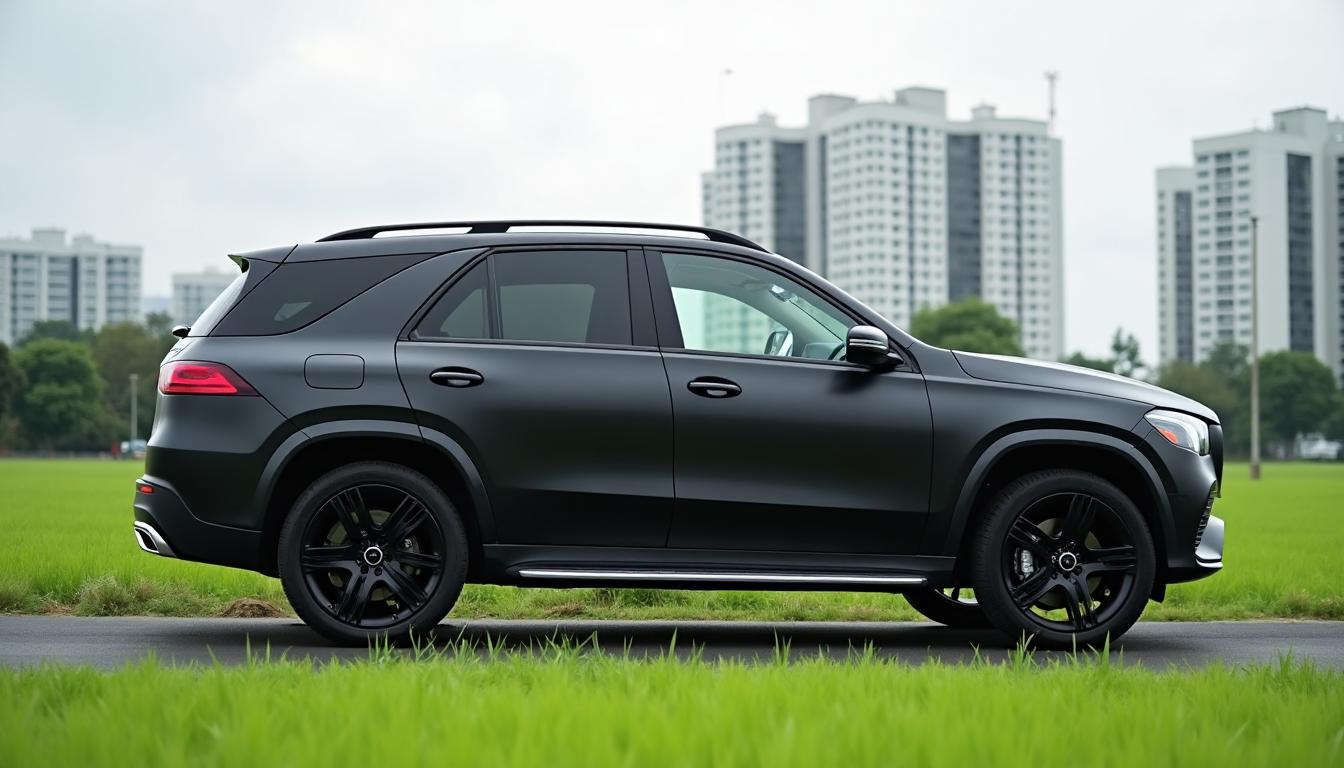
There is no right or wrong here, but consider your environment. In Singapore, a gloss finish can show every fingerprint and water spot. If you park outdoors, you will be wiping it down often. Matte hides smudges better but can be harder to clean if you get tree sap or bird droppings on it. A quality lamination layer on top of the vinyl adds protection and makes either finish easier to maintain.
Color Shift, Chameleon, and Carbon Fiber Effects
If you want something truly eye-catching, look into color shift or chameleon wraps. These films change color depending on the viewing angle and lighting. One minute your car looks deep purple, the next it shifts to teal. It is a head-turner, but it comes with a trade-off. The effect relies on a complex layering of pigments, so any damage is more noticeable and harder to repair than a solid color.
Carbon fiber wraps are another popular choice, especially for accents like hoods, roof panels, or mirror caps. They give a textured, woven look that mimics real carbon fiber. It is lighter on the wallet than actual carbon fiber panels and much easier to install. Just make sure the vinyl is from a reputable brand, because cheap carbon fiber patterns can look plastic and fake under bright sun.
The Role of the Wrap Installer
You can buy the best vinyl in the world, but if the installer rushes the job, the result will disappoint. A skilled wrap installer uses a heat gun to stretch the vinyl around curves, tucks it into crevices, and avoids bubbles that trap air. I once watched a professional wrap a sports car and the attention to detail was almost surgical. He spent an hour just on the front bumper, making sure every contour was seamless.
Ask to see examples of their previous work. Look for edges that are clean, seams that are hidden, and corners that do not have wrinkles. A good installer will also advise you on how to care for the wrap after it is on. Things like avoiding high-pressure car washes for the first few days, and not parking too close to a barbecue or a hot exhaust vent.
Digital Preview Before You Commit
One of the best innovations in car customization is the digital preview. Instead of guessing what a design will look like on your actual car, you can upload a photo of your vehicle and see the wrap applied virtually. This saves time and money. You can try different colors, patterns, and placements without buying a single square foot of vinyl. It also helps you communicate your vision to the installer clearly.
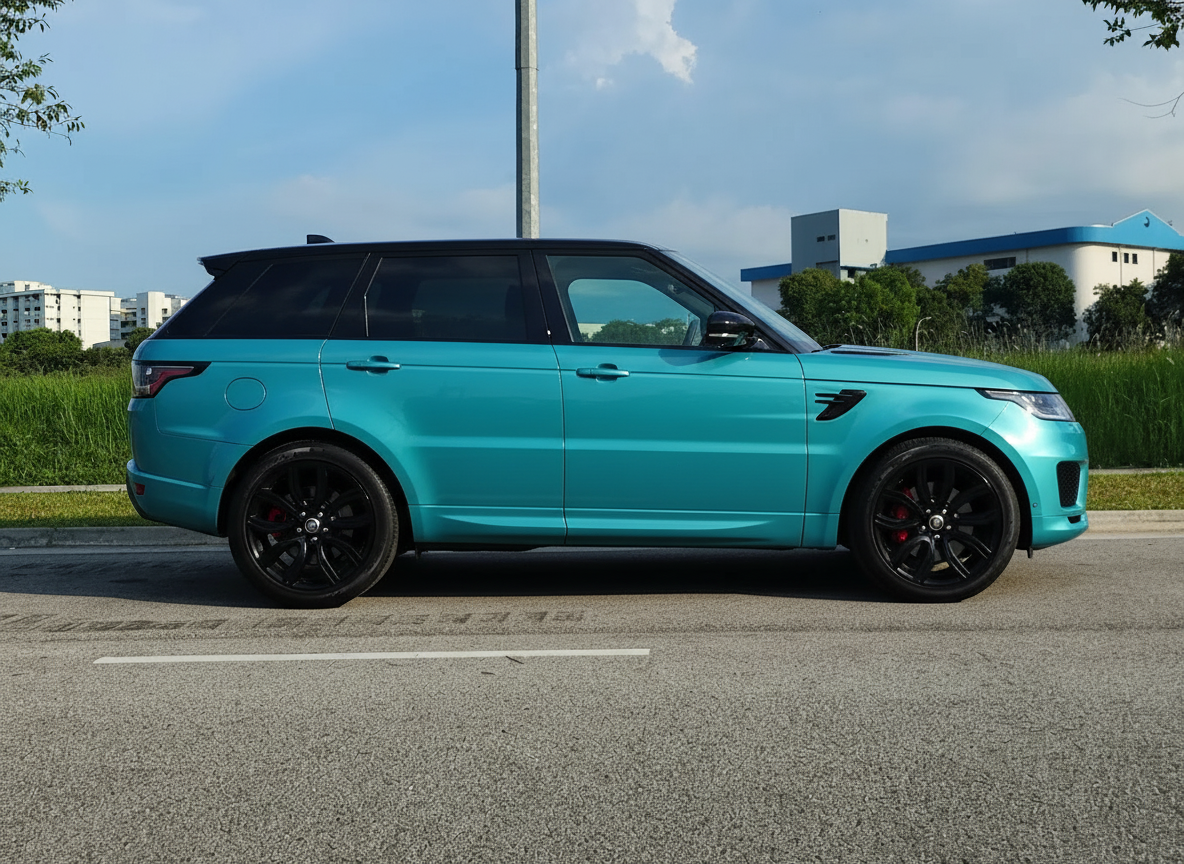
I have seen people change their mind three or four times after seeing the preview. That is a good thing. It means the final result is something you will love for years. When you are ready, most studios offer a free quote based on the design and the size of your vehicle. There is no pressure to commit until you are satisfied.
Practical Considerations for Singapore Drivers
Living in a tropical climate means heat and humidity are always factors. A quality vinyl wrap with a good adhesive system can handle the heat, but you should avoid parking directly under the sun for long periods if you can. The heat can soften the adhesive and cause edges to lift over time. Also, be mindful of tree sap, which is common in Singapore. Clean it off as soon as you notice it, because it can stain the vinyl if left too long.
Wrap removal is another thing to think about. When you eventually want a new look or need to sell the car, a professional removal is best. Peeling off a wrap yourself can damage the paint, especially if the vinyl has aged. A good installer will offer removal services, and it usually takes a few hours. The cost is far less than a respray.
Vehicle Branding vs. Personal Customization
Wraps are not just for personal cars. Many businesses in Singapore use vehicle branding to turn their fleet into moving billboards. A custom car wrap for a commercial vehicle can include logos, contact information, and eye-catching graphics. The principles are the same: good vinyl, skilled installation, and a design that works with the car's shape. The difference is that branding needs to be legible and memorable, while personal customization can be more artistic.
I have seen pizza delivery vans wrapped in bright red with a giant slice on the side, and real estate agents wrapping their cars in subtle earth tones with a simple logo. Both work because they respect the car's lines and use high-contrast colors. For personal use, the sky is the limit. You can go for a full color change, a two-tone look, or even a pattern that mimics brushed metal.
A Note on Aerodynamics
Some people worry that adding a thick layer of vinyl will affect the car's aerodynamics. In reality, a properly applied wrap adds less than a millimeter of thickness. It does not change the car's shape enough to impact air flow. Professional racing teams use vinyl wraps all the time for sponsorship liveries, and their cars still perform at the highest level. So do not let that concern hold you back.
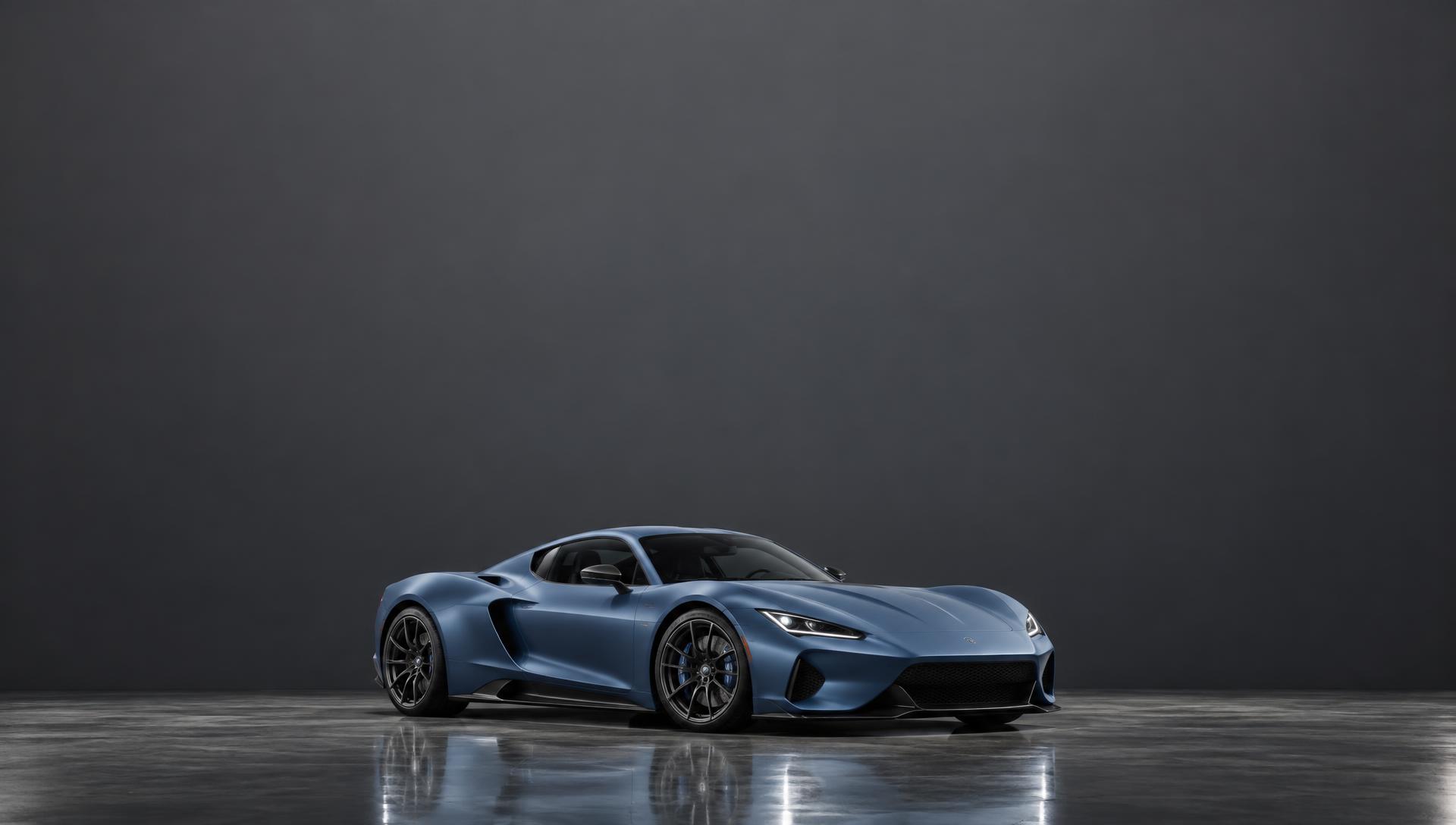
What matters more is the quality of the installation. Bubbles or wrinkles can create tiny drag points, but a good installer avoids those entirely. If you see a wrap that has bumps or uneven spots, that is a sign of rushed work, not a problem with the concept itself.
Getting Started
If you are thinking about a custom car wrap, start by looking at examples online. Pay attention to how the wrap flows over the car's natural lines. Notice the difference between a full wrap and a partial wrap. A full wrap covers every panel, while a partial wrap might only cover the hood, roof, and trunk. Partial wraps are cheaper and can still give a dramatic effect, especially if you choose a color shift or chameleon wrap for the top half.
Once you have an idea, reach out to a studio that offers a digital preview. You can experiment with different looks without any commitment. When you find the one that clicks, ask for a free quote. The price will depend on the size of your car, the complexity of the design, and the materials you choose. It is an investment, but one that pays off every time you walk up to your car in a parking lot and smile.